


Three in the morning. Your nose is blocked, your eyes are burning, and the window was actually shut all night. It still feels as if you'd slept in the middle of a meadow. That's exactly what many allergy sufferers are reporting right now, because the grass-pollen season has peaked.
The German Weather Service (DWD) reports consistently high grass-pollen levels for June, with only short breaks after rain. Anyone who already struggled with birch or ash in spring notices it now: grasses are a different league again.
What makes grass pollen particularly nasty is its size. It is smaller and finer than many tree pollens, so it penetrates the mucous membranes of the airways more easily.
Then there's the time of day. In rural areas the pollen concentration is highest in the morning; in cities it's often only high in the evening, when the pollen sinks back down with the descending air. For many allergy sufferers that means the heaviest load of the day falls right at bedtime. So if you barely notice anything at the office during the day and then suddenly start sneezing again at home in the evening, that observation is usually spot on.

Pollen allergy worse at night: what actually happens in the bedroom
If you cope reasonably well during the day but suddenly suffer badly at night, you're not alone. There are three concrete reasons:
Lying down, the nasal lining swells more because blood flow changes. The nose blocks up, even though it was more or less clear during the day.
Pollen settles on skin, hair and clothing during the day. Go to bed unshowered and you take it under the covers with you.
In cities, the pollen concentration sinks again in the evening with the cooling air, right at bedtime.
The German Association of Ear, Nose and Throat Specialists therefore recommends washing your hair in the evening and keeping clothes worn during the day out of the bedroom, to avoid this constant overnight exposure. There's a fourth factor that's often overlooked: humidity in the bedroom frequently drops at night, especially when the heating is on or the window is kept fully shut. Dry mucous membranes react more sensitively to pollen particles, which makes the blocked nose and scratchy throat feel worse still.
Window open or shut? The June grass-pollen dilemma
The bedroom in summer is a balancing act. Window shut means less pollen, but also stuffy, warm air that makes it harder to fall asleep. Window open brings fresh air, but also exactly the pollen you're trying to keep out.
Many allergy sufferers settle on a middle path: air the room briefly and vigorously when pollen levels are lower, usually late evening or after rain, and keep it closed during the day. That helps, but it doesn't solve the real problem, because the room air itself often stays dry and irritating, regardless of the pollen outside.

What irritated airways really need at night
This is where a factor that's often underestimated comes in: the room climate itself. Many people with a pollen allergy report that more humid, salt-enriched room air in the bedroom feels noticeably more pleasant at night.
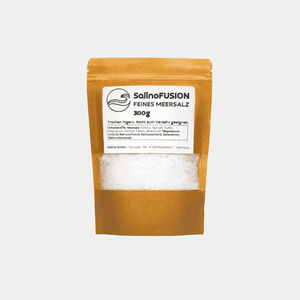
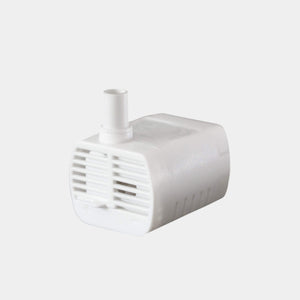
This is exactly where the SalinoVatis Mini-Saline comes in. It works purely passively through cold evaporation, without chemicals and with a small, energy-saving USB pump, and creates an atmosphere in the room that many users find more pleasant and less dry, similar to the air you know from the seaside. More on this in our salt-air collection, where you'll find the Mini-Saline and matching accessories.
To be honest, it won't make a pollen allergy go away, that would be a promise we can't keep. But as part of a well-thought-out bedroom setup, together with brief airing and fresh bed linen, it can contribute to an atmosphere that many allergy sufferers find more comfortable in summer.
Who is this for?
It's especially relevant for anyone who already notices their nights are worse than their days. People with a diagnosed grass-pollen allergy, but also anyone who simply suffers from a dry, irritated nose and a cough when falling asleep in summer, even without a known allergy.
Parents of children who sleep restlessly at night or wake up with a blocked nose often describe similar observations in their reviews during pollen season. Anyone already prone to snoring or mouth-breathing tends to notice the added burden of pollen even more.
Does it really work? What customers report
That's a fair question, especially for a product that works so unobtrusively in the background. In many customer reviews a pattern comes up again and again: users describe the air in the bedroom feeling fresher, and waking up less often with a dry throat or blocked nose. On price, it's worth looking at the longevity: it needs no filter changes and only a little power and occasional refilling.

Breathe easier, even when the grasses are in bloom
Grass-pollen season usually lasts several more weeks, often into July. Anyone who starts now setting up the bedroom as a retreat for the airways benefits all summer, not just for one night. The Mini-Saline is simply filled with water and salt and then keeps running passively, topping it up every few days is usually enough.
This article is for general information only and does not replace medical advice. If symptoms persist or are severe, please consult a doctor or pharmacist.
(Images: Gemini)